Strategic procurement guide for optimizing unit costs and supply chain stability.
Many procurement teams confront volatile AMELH5020S-R56MT pricing and multi-week lead times that disrupt production and inflate cost of goods. This article delivers practical, tested tactics to reduce unit cost and compress lead time immediately: market-backed benchmarking, root-cause drivers, tactical sourcing levers, short case-style wins, and a focused 30-day action plan you can execute this month.
Readers will get an actionable checklist for quotes and negotiations, a simple landed-cost checklist, substitution validation steps, and measurable KPIs to track improvement. The guidance emphasizes pricing and lead time levers that fit typical US OEM and contract-manufacturer workflows.
1 — Quick technical & commercial overview (background)
1.1 — Key specs that affect sourcing decisions
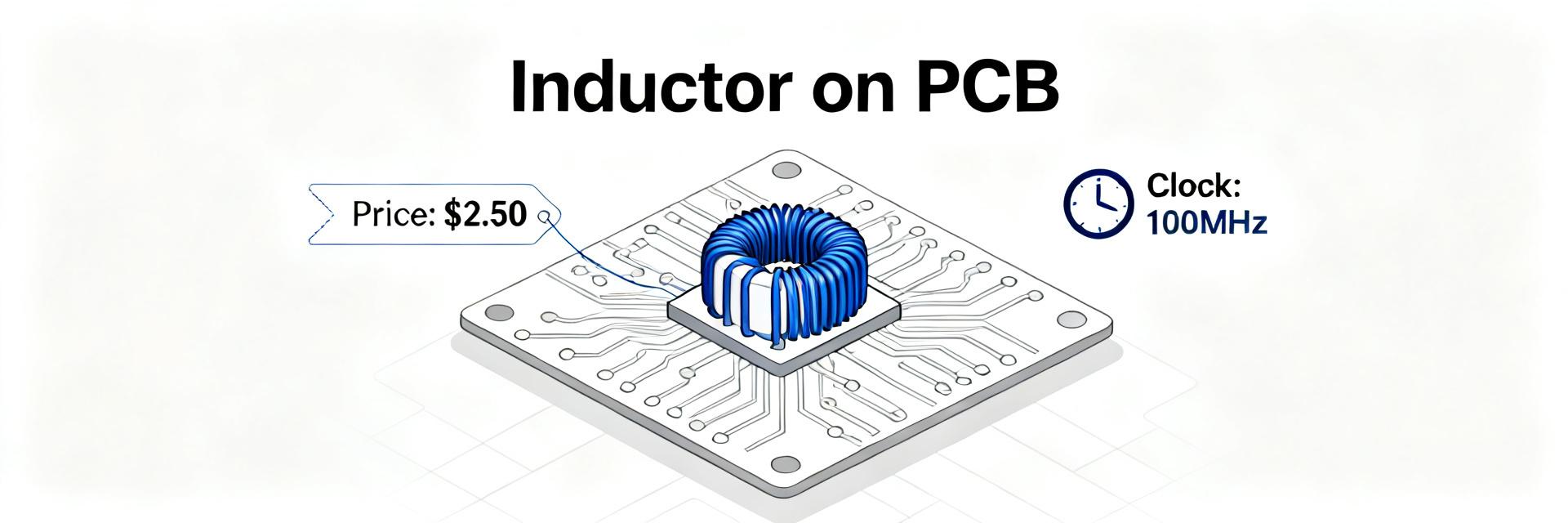
Inductance value, DC current rating, saturation behavior, DC resistance, and package size directly affect yield, supplier selection, and cost. Higher current and lower DCR parts often require larger cores or special alloys, increasing manufacturing constraints and affecting pricing. Package and reel format determine MOQ and reel-production lead time, so specs map directly to procurement trade-offs and possible obsolescence risk.
1.2 — Typical buyer profiles and common order sizes
OEMs typically place larger, forecasted buys with multi-month MRP; contract manufacturers operate with smaller, frequent orders and tighter delivery windows; small-volume engineers buy prototype reels or cut tape. Buyer type shapes negotiating leverage: larger forecasted buyers secure volume pricing and shorter effective lead times, while small buyers face higher unit pricing and longer fulfillment cycles.
2 — Current market pricing & availability for AMELH5020S-R56MT
2.1 — How to benchmark unit price and landed cost
Collect quotes from authorized channels, brokers, and approved suppliers, normalize by MOQ and packaging (reel vs cut tape), and calculate landed cost: unit price + freight + duty + taxes + handling.
- Request unit price at multiple qty tiers
- Confirm reel size vs. MOQ
- Verify freight options and lead times
- Standardize spreadsheet comparisons
2.2 — Realistic price ranges and price drivers (data-backed)
Price bands typically move by quantity tiers. Below is a conceptual visualization of price optimization through volume:
Primary drivers are order size, contract terms, packaging, seasonality, and supplier allocation. Expect volatility when alternate parts compete for the same core materials.
3 — Root causes of lead-time variability
3.1 — Supply-chain factors
Lead-time drivers include constrained manufacturing capacity, raw material shortages, and international logistics delays. Mitigation: choose alternate packaging or qualify secondary makers.
3.2 — Cost implications
Normal landed cost = unit + freight
Expedited landed cost = unit + expedited freight + premium fees + carrying cost change.
4 — Sourcing Strategies
4.1 — Tactical sourcing levers
Use blanket orders and consignment to lock prices. Negotiate tiered discounts at clear volume breakpoints and request 60–90 day payment terms.
4.2 — Validated substitutes
Identify substitutes by matching inductance, current, DCR, and footprint. A typical qualification plan takes 2–6 weeks for electrical and thermal tests.
CASE 5 — Quick Wins
5.1 — Small process changes: Implement pre-approved supplier lists and standardized PO templates. One-week checklist: add two suppliers, standardize terms, and enable automated reorder triggers.
5.2 — Mid-term win: Align procurement with demand forecasts and create a rolling 12-week plan. Shifting 30% of purchases to planned buys reduces expedited spend significantly.
6 — 30-Day Action Plan
Week 1–2: Data capture & quick negotiations
Collect three current quotes normalized to landed cost. Identify top levers (MOQ, packaging, shipping). Use a negotiation checklist to secure internal approval limits for quick decisions.
Week 3–4: Implement tactical changes & measure
Place consolidated orders or sign short blankets. Implement reorder points/safety stock rules. Measure KPIs: days-to-delivery, landed unit cost, and expedited spend.